Identifying the Delta Between Intent and Data
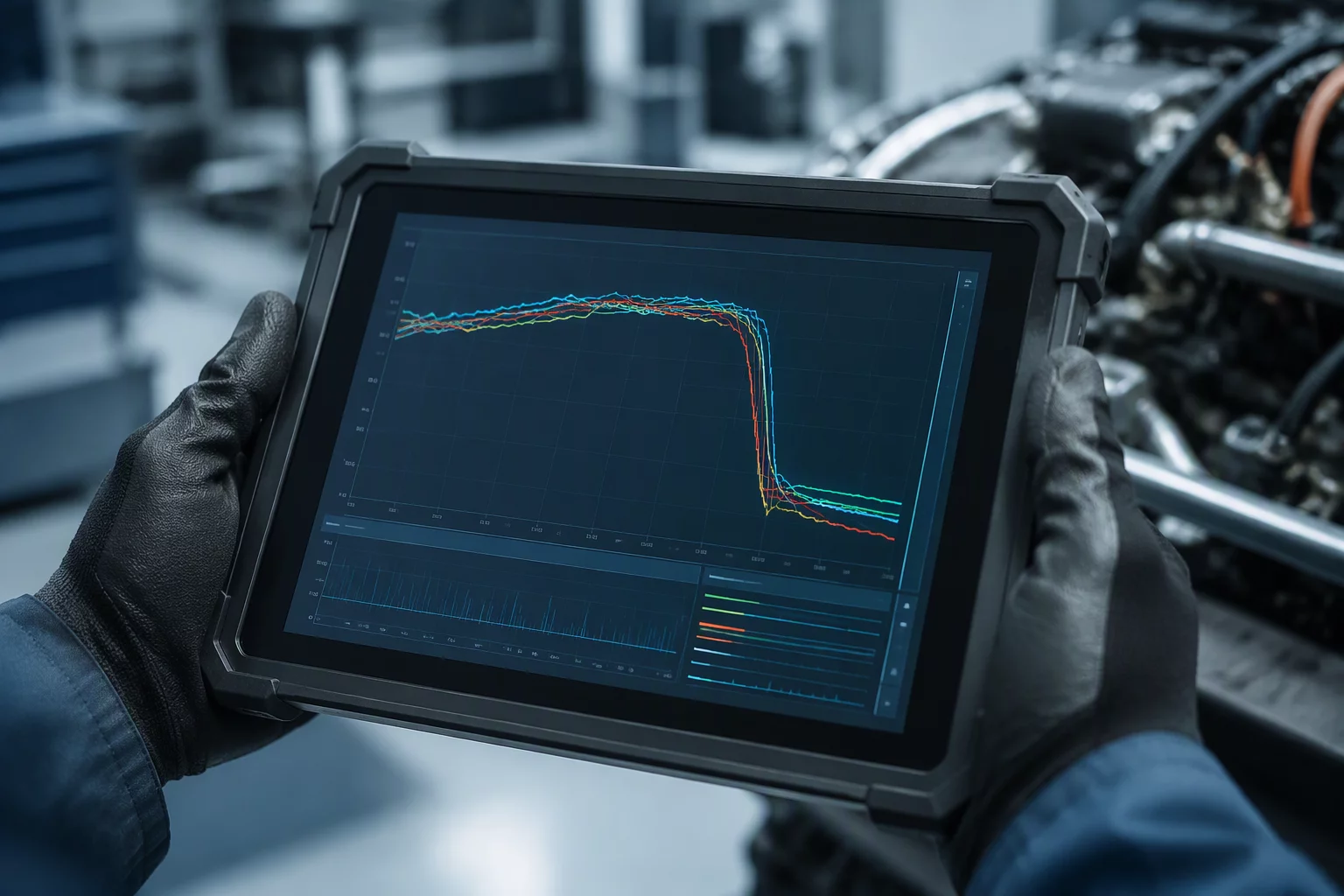
In vehicle calibration practice, every modified table cell represents a structured hypothesis regarding airflow, fuel mass, or torque delivery. During this revision cycle, adjustments were applied across the primary volumetric efficiency surface to eliminate lean transients recorded during rapid throttle openings. The subsequent high-speed log analysis revealed that closed-loop fuel corrections climbed by an additional fourteen percent rather than stabilizing near stoichiometric equilibrium.
When recorded telemetry diverges sharply from theoretical predictions, continuing to modify secondary tables inevitably masks underlying issues. Systematic calibration requires engineers to respect log evidence immediately. If the empirical telemetry disproves the initial hypothesis, the modification must be cataloged as unsuccessful and reverted rather than compensated through auxiliary multiplier offsets.
Enforce Baseline Traceability Standards
Discover how structured documentation protocols keep teams aligned and prevent cascading calibration errors.
Root-Cause Vectors Behind Unsupported Modifications
Unanticipated post-flash telemetry usually stems from distinct failure modes across software interactions and physical boundary conditions. In this case review, three primary root-cause vectors accounted for the discrepancy between calculated cell adjustments and live sensor outputs:
- Unaccounted Boundary Variables: Variations in intake manifold surface heat soak skewed calculated charge temperatures away from model expectations.
- Latent Mechanical Variations: Sub-millisecond injector flow non-linearities at low pulse widths produced unintended fueling offsets during transient transitions.
- Closed-Loop Routine Clashing: Dynamic background torque management spark retards triggered auxiliary enrichment lookups that contradicted steady-state tables.
Isolating each vector against high-resolution log timestamps confirmed that the base table adjustment conflicted with closed-loop background routines, confirming that the initial table modification strategy required redesign.
“In vehicle calibration, contradictory telemetry is not failed work; it is empirical evidence that your internal model of the controller logic differs from physical reality.”
Executing the Clean Rollback Protocol
Once the telemetry conclusively refutes the calibration change, the calibrator must immediately execute a structured rollback. Attempting to manually edit cells back to approximate numbers leaves lingering differential artifacts. Instead, checkout the exact prior binary hash from the repository and re-flash the verified reference state.
After flashing the known reference point, archive the rejected binary alongside the timestamped CSV log file in the change ledger. Documenting why the modification was discarded provides essential institutional history, preventing duplicate experimental missteps during future calibration iterations.