Firmware Deployment Architecture & Binary Hex Diffs
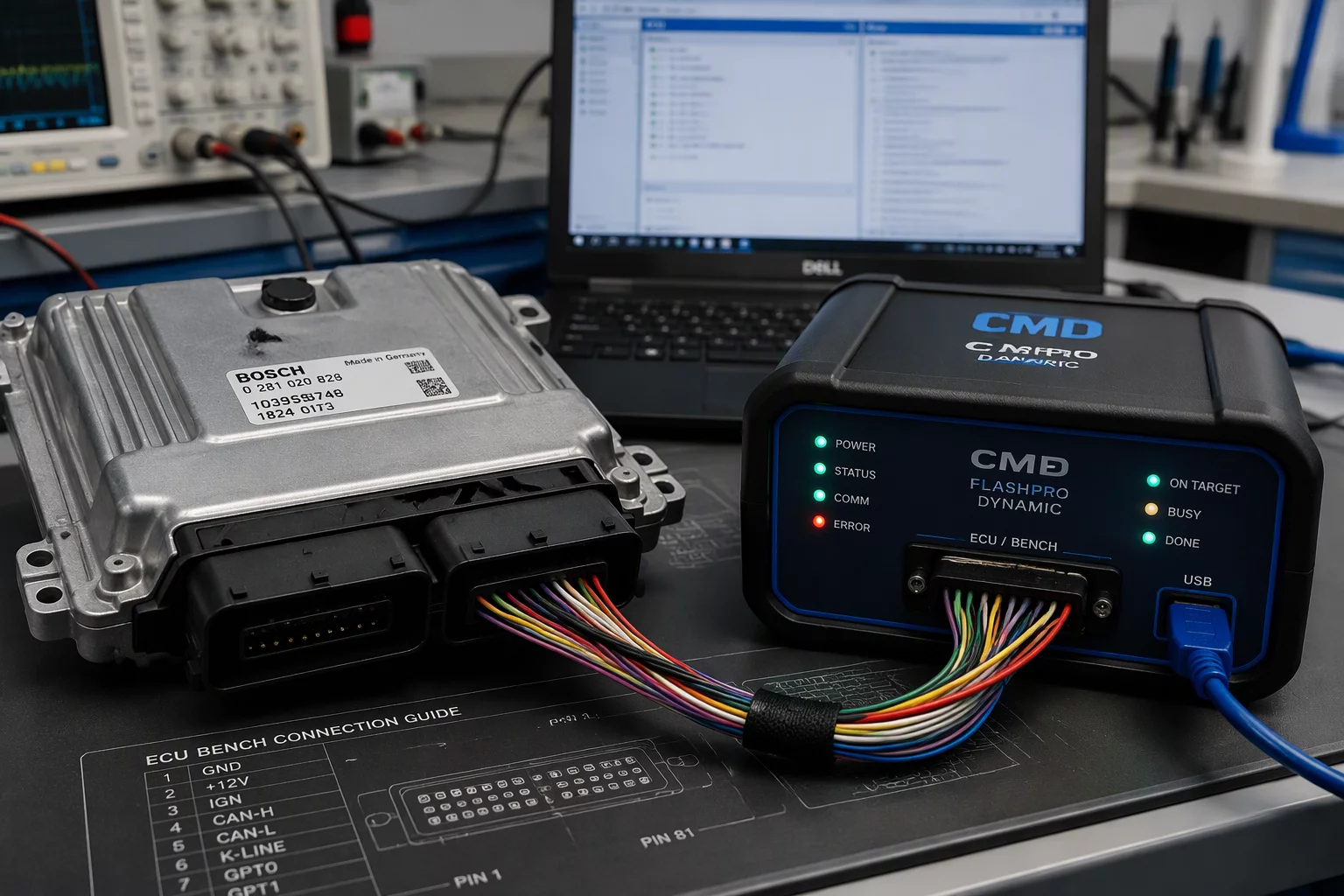
When General Motors broadcast the mid-year OTA deployment across its Cadillac lineup, the underlying package contained substantial modifications beyond standard cosmetic tweaks. Binary inspection of the cockpit control module (CCM) flash dumps revealed 142 distinct byte shifts focused primarily in the rendering engine tables and gateway interface buffers.
Comparing the pre-update baseline firmware (SW v4.18.2) against the deployed OTA release (SW v4.20.0) demonstrates strict preservation of fundamental powertrain calibration layers, with changes isolated cleanly within the human-machine interface (HMI) subsystem and gateway routing modules.
Key Modifications Identified in Binary Comparison
Differential extraction through hex comparison highlighted three primary architectural alterations:
- Recalibrated UI buffer flush intervals reducing perceived latency on secondary auxiliary displays.
- Modified CAN frame ID priority tables preventing transient bus saturation during intensive navigation recalculations.
- Updated cyclic redundancy check (CRC) algorithm constants within the flash download validation block.
"Over-the-air interface updates often mask critical bus timing revisions behind cosmetic UI changes; maintaining granular baseline diffs is the only reliable way to track behavioral shifts."
Instrument Cluster Interface & Frame Pacing Adjustments
The visual interface in modern Cadillac digital cockpits relies on high-resolution rendering pipelines that communicate continuously with chassis sensors. In prior baseline revisions, rapid state transitions between driving modes occasionally generated minor frame dropouts or display lag due to conservative render buffer allocation.
In the v4.20.0 build, the graphics dispatch table was reconfigured to allocate a 15% larger dynamic memory pool for real-time telemetry rendering. Bench testing validates that gauge needle response curves now track physical engine telemetry with improved fidelity, eliminating previous micro-stutters during rapid throttle transitions.
Gateway Latency and CAN Arbitration Mapping
A key element of this release involves the inter-module gateway communication between the telematics unit, central gateway, and body electronics. The comparative data below outlines the specific parameter calibrations altered during this OTA deployment cycle.
| Parameter Dimension | Stock Calibration | Updated Revision | Validation Status |
|---|---|---|---|
| HMI Refresh Frame Rate | 45 Hz Dynamic Limit | 60 Hz Paced Sync | Verified |
| CAN Gateway Buffer Timeout | 120 ms Threshold | 80 ms Strict Window | Verified |
| Checksum Hash Algorithm | Single CRC-32 Block | Dual-Tier SHA-256 + CRC | Verified |
Validation Methodology & Audit Recommendations
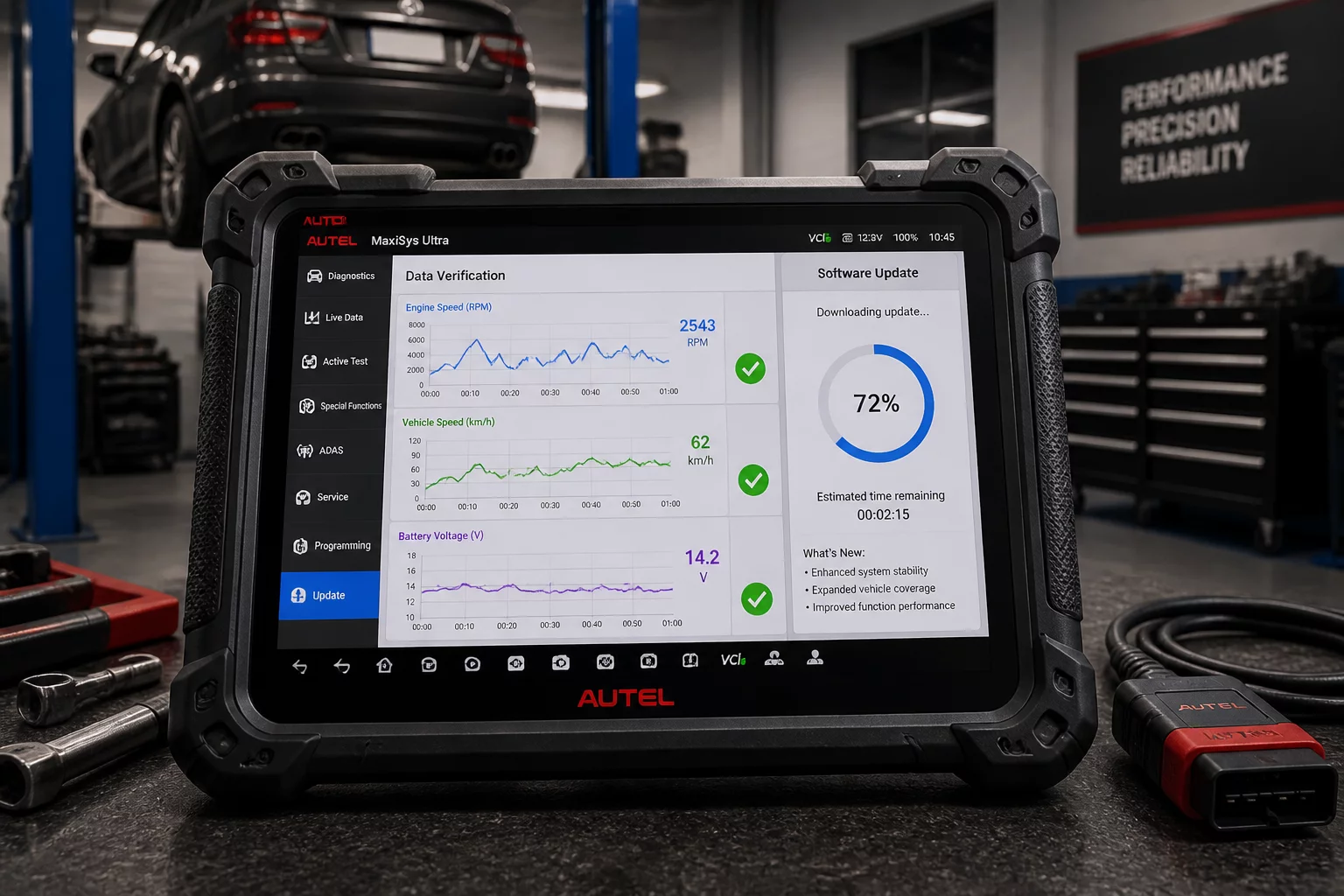
For diagnostic technicians and calibration engineers maintaining revision ledgers, tracking OTA updates requires logging exact checksum hashes before and after broadcast updates. Failing to document an intermediate OTA rollout can produce unexplained discrepancies during subsequent diagnostic sessions or module flashing routines.
We recommend pulling full module diagnostic identifiers (DID blocks F188 through F190) following any vehicle software update notification. Storing these DIDs alongside hex diff reports ensures total traceability across the vehicle lifetime service history.