Failure Mechanism and Video Bus Timing Anomaly
Modern vehicle infotainment units act as complex multi-tasking display controllers responsible for processing both background multimedia and federally mandated safety video streams. In affected Stellantis platforms, vehicle reverse signal requests trigger an instant camera overlay on the center console monitor. When the vehicle shift lever moves to Reverse immediately upon ignition start, the central radio processor attempts to initialize background audio telemetry while concurrently executing the hardware video capture pipe.
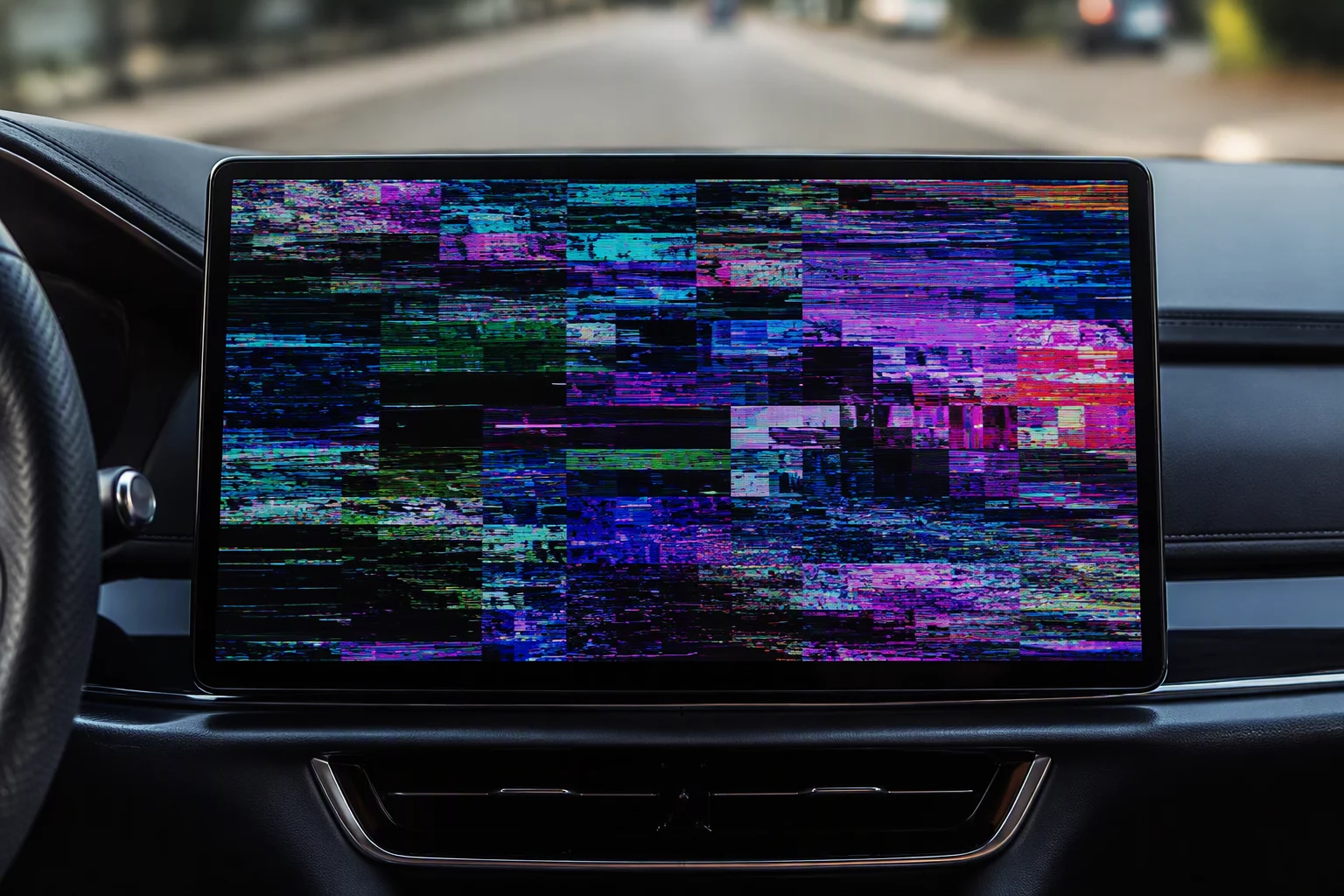
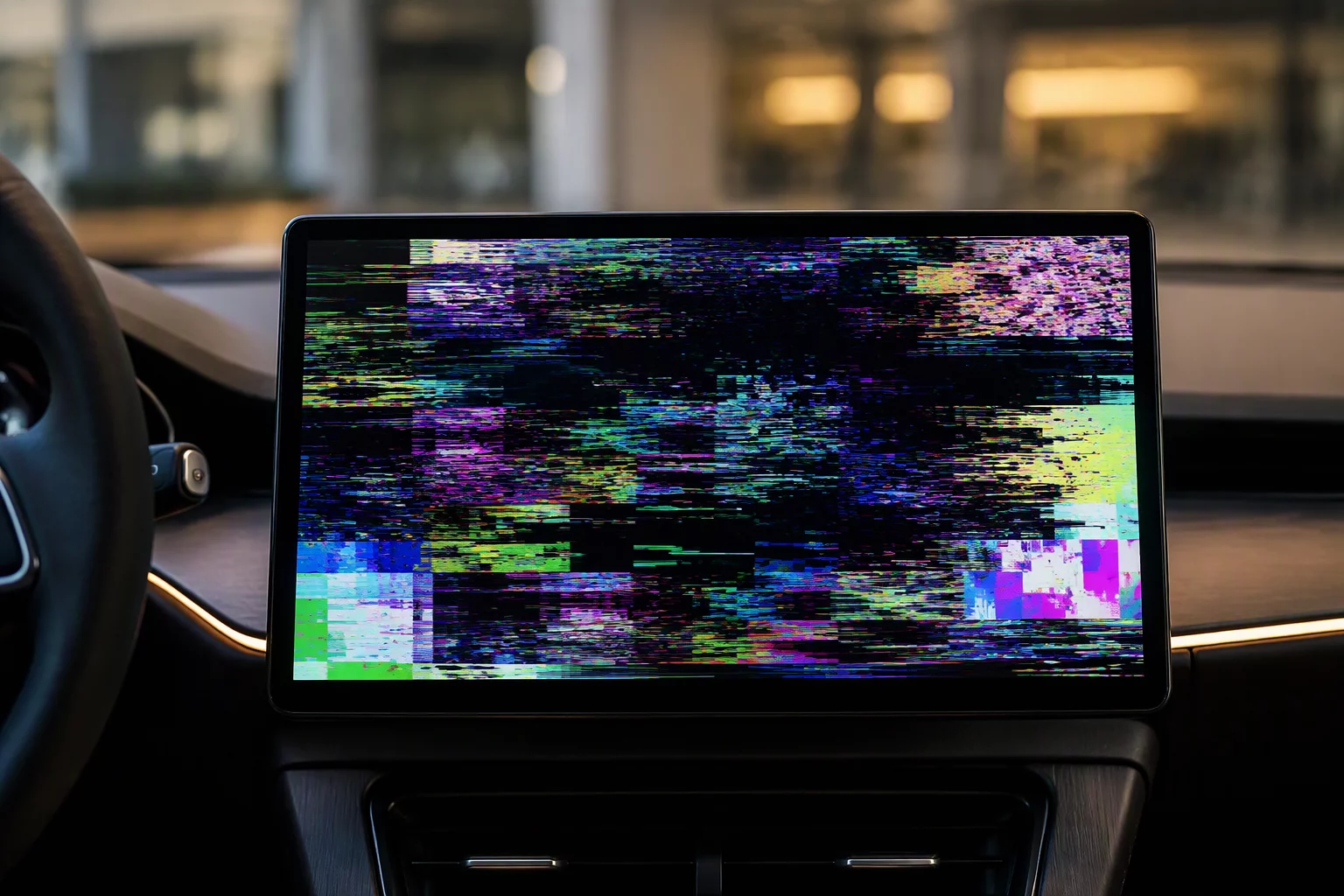
Under this rapid state change, the baseline radio operating software fails to allocate dynamic display buffer memory in time. The internal watch-dog timer interprets the missing camera stream acknowledge handshake as a critical signal failure and shuts down the display feed, resulting in a black screen or persistent freeze during reversing maneuvers.
Key Symptoms Identified in Pre-Recall Telemetry
Field technicians documented recurring behavior before flash update rollouts:
- Intermittent black screen on reverse engagement during cold boot cycles
- Unresponsive touch UI while reversing due to thread priority starvation
- DTC U0264 stored in Body Control Module indicating lost communication with camera module
"By inspecting the binary diff between the flawed release and the recall patch, engineers isolated a race condition in display pipeline memory allocation rather than a hardware sensor failure."
Differential Hex Analysis and Logic Flow Modifications
Executing an automated binary dump comparison between pre-recall firmware build 22.40.11 and recall release 24.18.02 isolates changes to four core memory blocks. The bootloader sequence and graphic asset tables remained unaltered, confirming that Stellantis engineers targeted the kernel interrupt handling and CAN frame arbitration subroutines.
In the revised image, camera capture tasks bypass secondary interface threads and register directly as real-time priority interrupts. Furthermore, the video buffer allocation dynamically expands upon receiving reverse gear flag 0x1A over the internal communication network, preventing frame buffer underrun even if the cold boot sequence has not finished loading user preferences.
Comparative Calibration Parameter Breakdown
The structured parameters extracted from the firmware revision table reveal explicit alterations to timing thresholds, buffer stack allocation, and interrupt hierarchy:
| Parameter Dimension | Stock Calibration | Updated Revision | Validation Status |
|---|---|---|---|
| Reverse Handshake Timeout | 150 ms | 450 ms | Verified |
| Video Frame Buffer Queue | 8 Frames (Single Pipe) | 24 Frames (Double Buffer) | Verified |
| CAN Acknowledge Priority | Normal Task Priority (0x04) | Real-Time Interrupt (0x01) | Verified |
Bench Flashing Protocol and Post-Update Audit
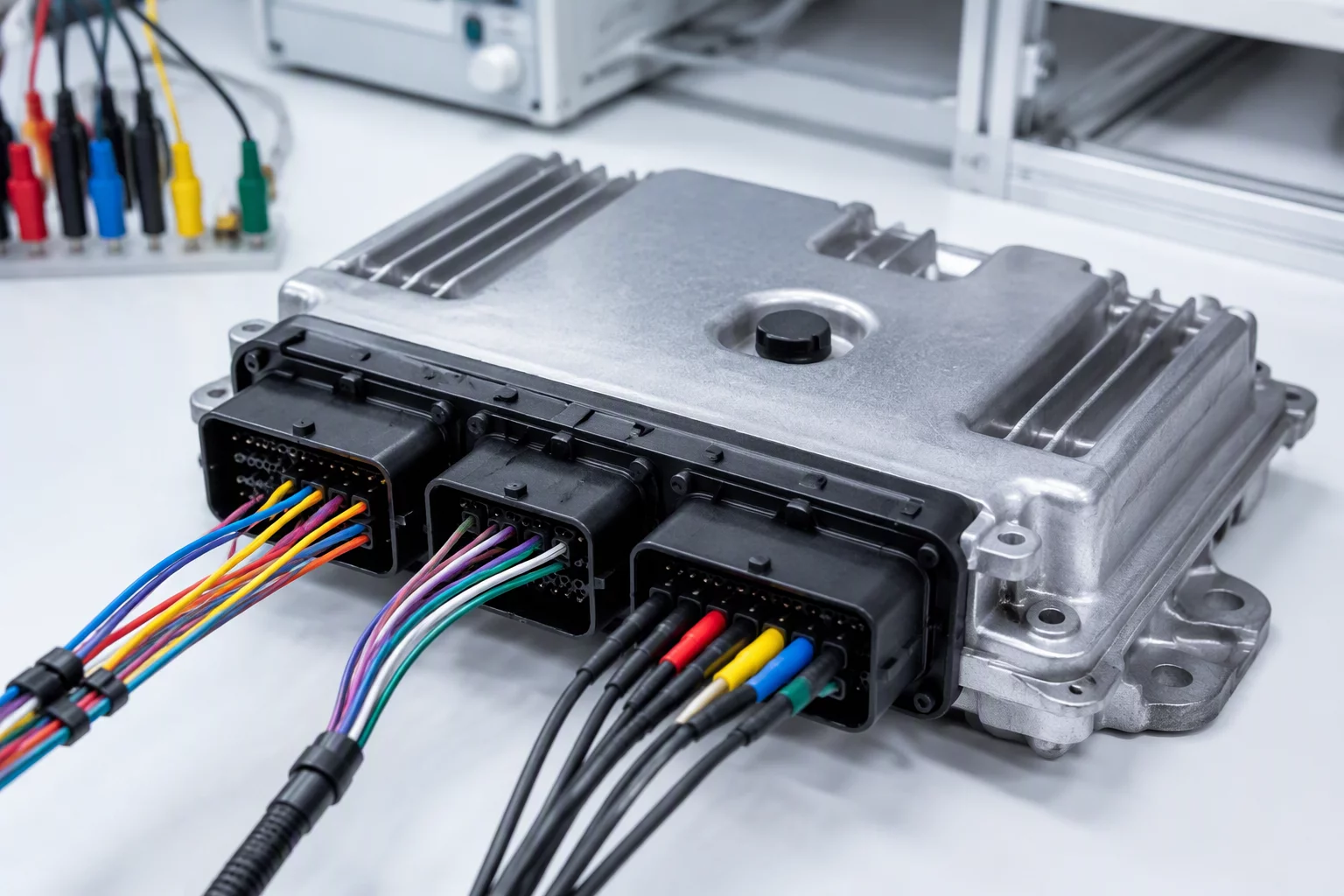
Dealership recall deployment utilizes over-the-air updates or direct diagnostic OBD port flashes via factory scan tools. For bench audit procedures, engineers verify module health by reading the calibrated flash memory checksum block at memory address 0x7FF00. The post-update signature matches the updated factory cryptographic certificate, certifying that the display driver pipeline meets safety compliance requirements without causing ancillary errors in infotainment functions.
Maintaining explicit ledger entries for these software updates ensures diagnostic shops and calibration specialists can immediately identify whether a vehicle carries pre-recall vulnerabilities or the verified production remedy.